How to capture and follow up exhibition leads at UAE trade shows
A stand can have a busy week and still produce nothing if the contact details stay in a pocket. Lead capture is a small system, and it is cheap to set up before the show.
Short answer
Decide what a qualified lead is before the show, give one person on the stand the job of capturing it, and record the visitor's interest and the next step, not just a name. Ask for consent where you collect personal data. Send the first follow-up within two working days, while the visitor still remembers you.
| Before the show | Define a qualified lead and a simple A, B, C grade |
|---|---|
| On the stand | One lead-capture host, one method, the same fields for everyone |
| Record | Name, company, interest, grade, next step, who spoke to them |
| Consent | Tell visitors how their data will be used |
| After | First follow-up within two working days (our recommendation) |
Define the lead before the show
Agree with sales what a good lead looks like: the buyer role, the company type, the product interest and the timing. Then use a simple grade. An A lead wants a meeting or a quote, a B lead is interested and needs nurturing, a C lead is a contact to keep warm. Without a grade, every card looks the same on Monday.
Choose one capture method
- Badge scan. Ask the organiser whether a lead retrieval service is offered for the show, what it costs and the order deadline.
- Tablet form or QR code. A short form with four to six fields works for most stands and lets you add your own questions.
- Paper cards. Fine as a backup. Type them up on the same day.
Whichever you pick, use the same fields for every team member so the data can be sorted afterwards.

Give the job to a person
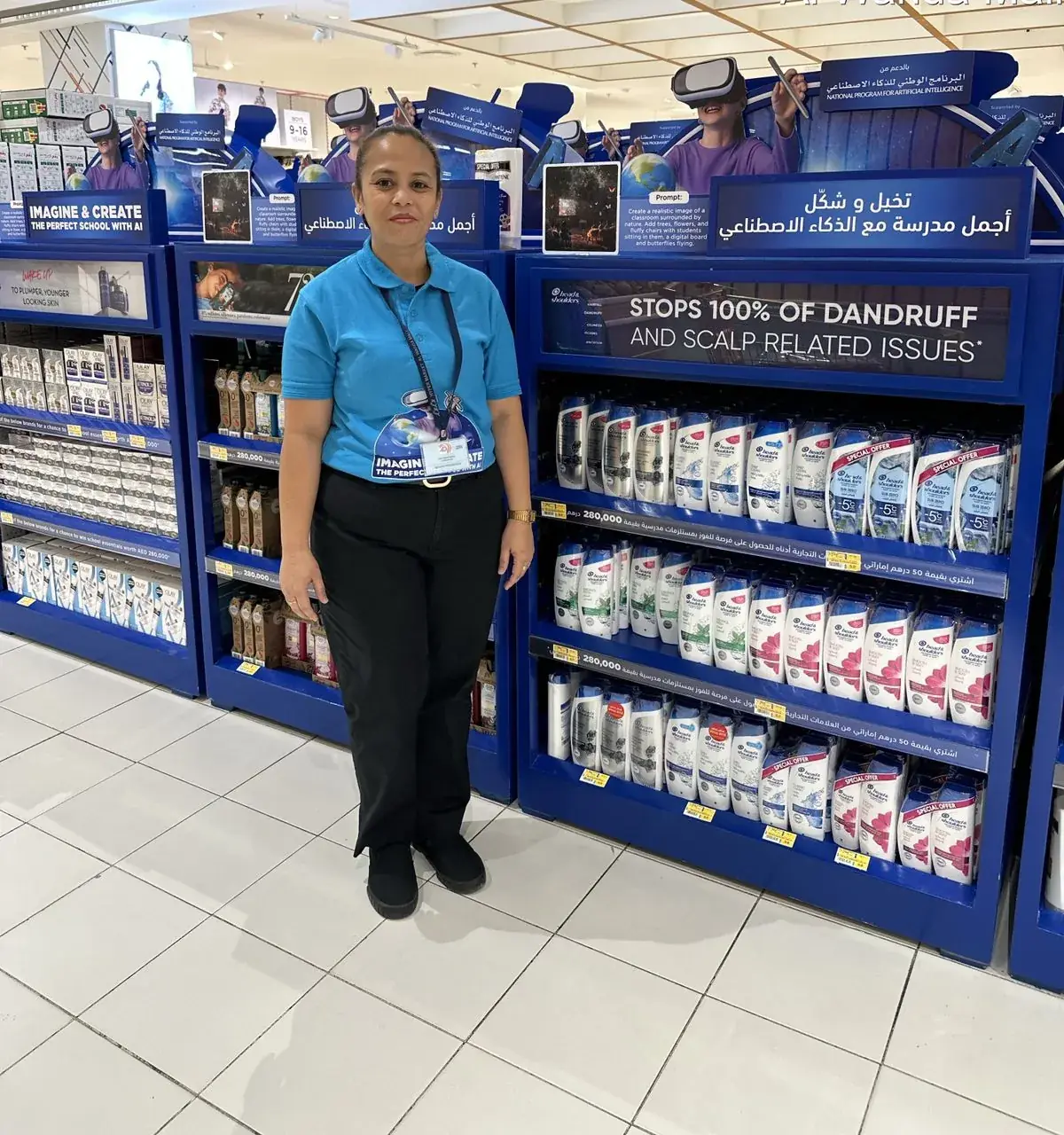
Staff who are demonstrating or in a meeting will not capture leads reliably. A dedicated lead-capture host scans or notes each visitor, adds a line about their interest and passes serious leads to the right colleague. See how to hire and brief promoters in Dubai for the briefing, and how many people the stand needs.
Record what matters
A name and email are not enough. Note what the visitor wanted, what you promised, the grade and the next step. Add one personal detail, such as the product they tried. This is what makes a follow-up email read like a conversation instead of a mailing.
Respect consent
Collecting contact details is processing personal data. Tell visitors what you will use their details for, collect only what you need and keep it safe. Our guide to the UAE data protection law for promotions and SMS explains the basics. Take legal advice for your own case.
Follow up while it is fresh
- Same evening: sync the day's leads into one sheet or your CRM and flag the A leads.
- Within two working days: send A leads a personal message and a proposed time. Send B leads a short note with one useful link.
- Within two weeks: add C leads to a light newsletter or a later call list.
- After the show: count leads by grade and compare with the stand cost. See how to measure activation results.
Questions
What is lead retrieval at an exhibition?
Lead retrieval is a system, often offered by the organiser, that scans visitor badges and stores their details so exhibitors can download them after the show. Ask the organiser if it is offered for your show.
How many leads should an exhibition stand collect?
It depends on the show and the stand. Set a target from your sales goal, for example the number of meetings you need, and track leads by grade rather than by total.
How soon should I follow up exhibition leads?
Within two working days is a sensible target for serious leads, while the visitor still remembers the stand. This is our recommendation, not a fixed rule.
Do I need consent to collect visitor details at a show?
Tell visitors how you will use their details and collect only what you need. Rules on personal data apply, so take legal advice for your own case.