Experiential marketing in the UAE: what it is, which formats work and how to plan one
Experiential marketing is a term used for almost any live brand activity. Here is a working definition, how it differs from related terms, the formats we see used across UAE malls, supermarkets and outdoor sites and how to plan one.
Short answer
Experiential marketing lets people experience a brand, product or message first-hand, usually in person, instead of only seeing an advertisement. In the UAE it commonly takes the form of in-store sampling, mall kiosks and pop-ups, road shows, mascots, branded vehicles, exhibition stands and prize games.
A working definition
Experiential marketing puts people inside a brand experience: they taste, try, play, watch or take part. The brand is the event. Advertising describes a product, while an experience lets the person judge it.
The term overlaps with several others. A brand activation is the on-the-ground campaign that brings a brand to people, and most activations are experiential. BTL (below-the-line) marketing is the targeted, direct side of the mix, which includes activations. Sampling is one format. See our explainer on ATL, BTL and TTL marketing and the glossary.
Formats seen across the UAE
| Format | Where | Best for |
|---|---|---|
| Sampling stand | Supermarkets, hypermarkets | Trial of food, drink and household products |
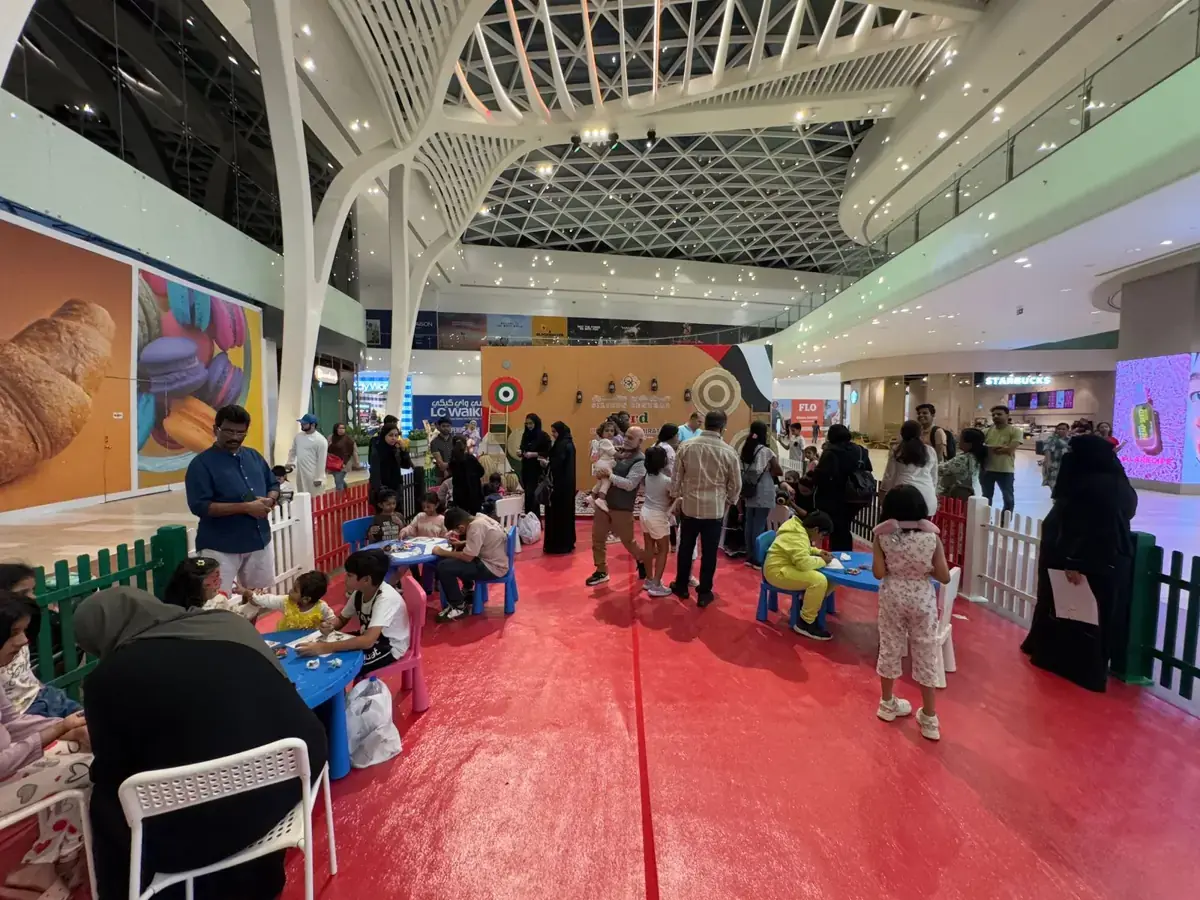
| Themed kiosk or pop-up | Mall atriums | Awareness, photos, seasonal campaigns |
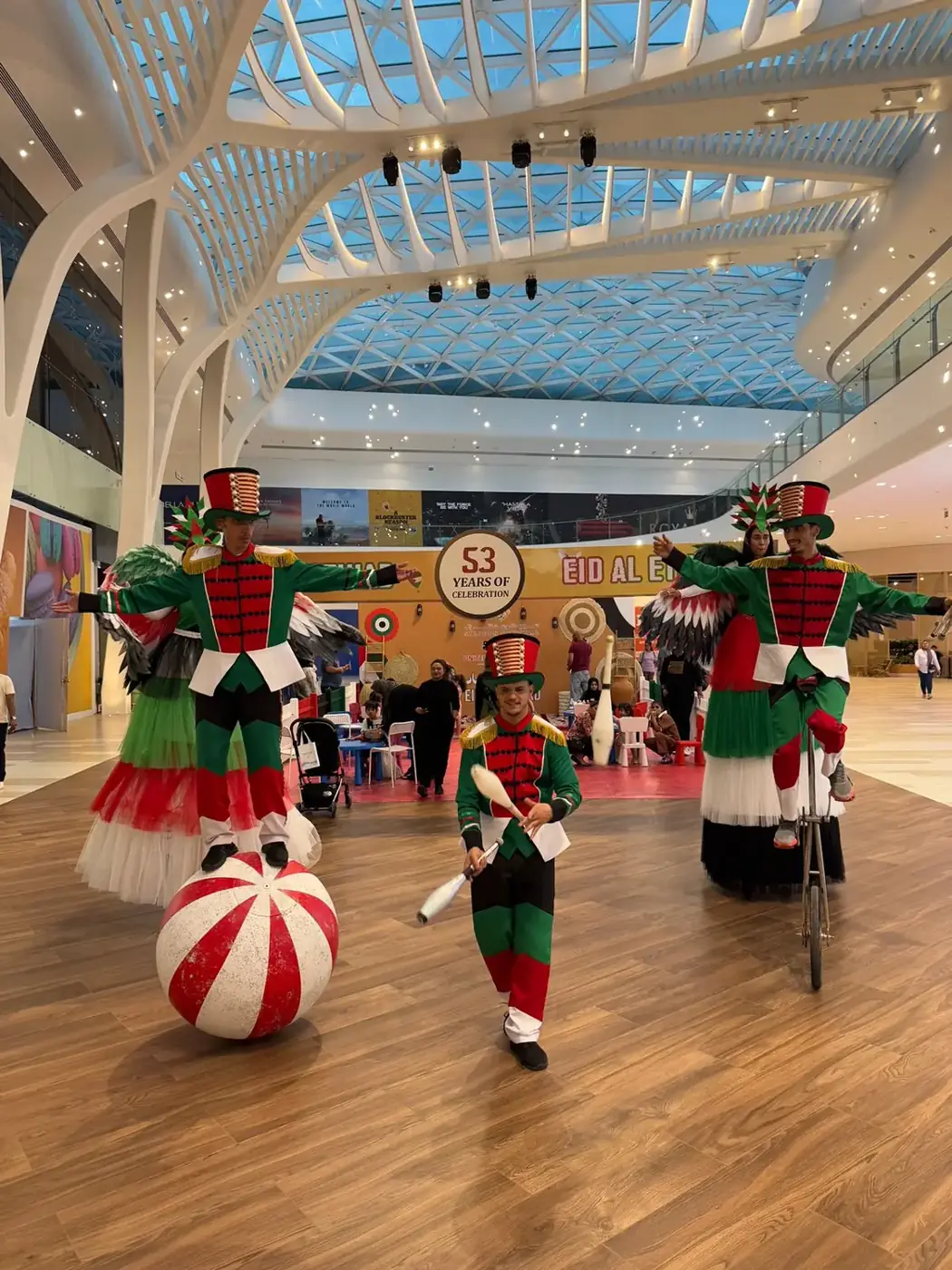
| Mascot or costume character | Malls, in-store | Family traffic and attention |
| Prize game | Stand plus microsite | Entries, data and repeat purchase |
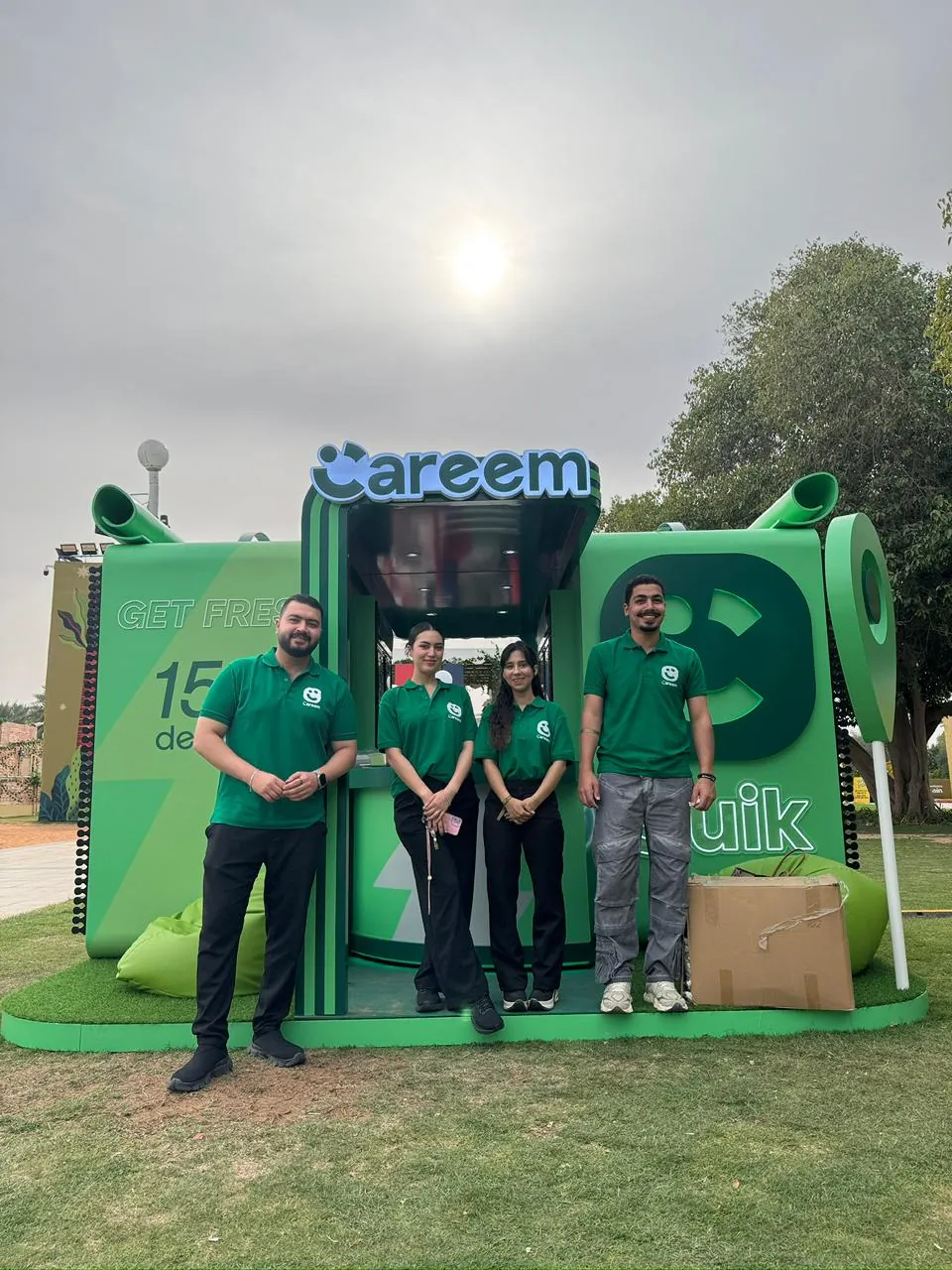
| Branded vehicle | Outdoor sites, car parks, promenades | Taking a brand to the audience |
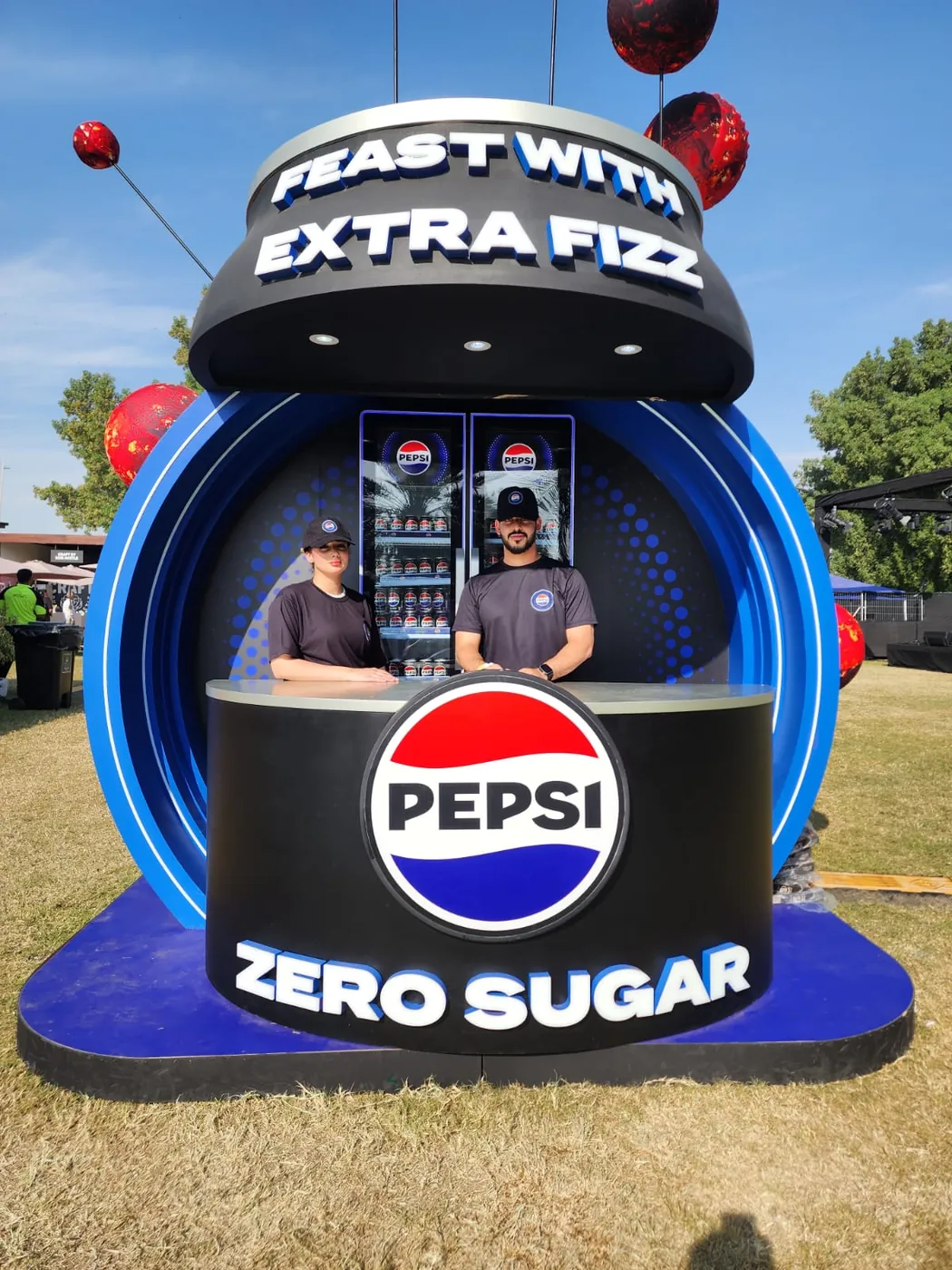
| Outdoor festival stand | Parks and event grounds | Brand presence at large public events |
| Exhibition stand | Trade shows | Leads, orders and meetings |
We have built examples of each. Browse them on our work page, or read brand activation ideas for UAE malls and supermarkets.
How to plan one
- Define one goal. Trial, awareness, leads, entries or sales. The goal chooses the format.
- Define the audience and the place. A family in a mall and a shopper in an aisle want different things.
- Design the moment. What does the person do in the first minute, and what do they take away?
- Check approvals. Venue, authority and any prize or food rules. Start with the longest lead time.
- Build and brief. Stand, uniforms and script, then brief the team and rehearse.
- Measure. Count people reached, samples, entries, leads and units sold, and compare with a baseline.
What makes one work
Experiences that work in the UAE tend to share three traits. They are near the product, so the experience leads to a purchase. They take a minute or less to join, because shoppers and mall visitors are on the move. And they are run by people who know the product and can talk about it. A good idea with a poorly briefed team loses most of its effect.
Measuring what you cannot see on a till
Not every experience ends in a sale at the stand. Track the numbers you can control (footfall at the stand, interactions, entries, leads, photos and shares) and, where the retailer shares sell-out data, compare sales in activated and comparison stores. See how to measure activation ROI and the research on sampling.
Arsh Marketing handles concept, production, promoters and reporting under one roof. See brand activations or send us the brief.
Questions
What is experiential marketing?
Experiential marketing lets people experience a brand, product or message first-hand, usually in person, instead of only seeing an advertisement.
Is experiential marketing the same as brand activation?
The terms overlap. A brand activation is the on-the-ground campaign that brings a brand to people, and most activations are experiential. Experiential marketing is the wider approach.
What are examples of experiential marketing in the UAE?
In-store sampling, mall kiosks and pop-ups, road shows, mascots, branded vehicles, outdoor festival stands, exhibition stands and prize games.
How do you measure experiential marketing?
Count people reached, samples given, entries, leads and units sold, and compare sales in activated stores with similar stores that had no activity.